When my daughter Zora was five, I wanted an honest, independent take on how she was doing as a reader—something that went beyond what I was seeing at home. My first instinct was to look up the big tutoring franchises, the names everyone recognizes. Happily, I mentioned this to a friend whose daughter was a little older, and she said, “Don’t do that! Take her to Lindamood-Bell!”
I’d never heard of the company. But that offhand comment sent me to a resource with a deep research base and far more thorough assessments than anything I’d been considering. Nearly 10 years later, I’ve referred countless families there. One sentence from a friend changed the trajectory for many children.
That’s what I mean when I say connection matters.
We tend to think that the parental side of raising a reader is about what we do one-on-one with our kids—the bedtime stories, the trips through the alphabet or tracing letters on cereal boxes, the patient listening to them sound out words. Yes, all that work is essential. But it’s only part of the job.
Another crucial element is tapping into the assets around you: libraries, family resource centers, bookstores, community programs, and the people who carry knowledge you don’t have—yet. When you make a conscious effort to connect, and to talk openly about what’s happening in your child’s reading life, you amplify your support in ways you can’t manufacture on your own.
Why to Connect
Word of mouth still moves better, if not faster, than the internet in many cases. We assume that because everything is online, every good resource is one search away and there’s no need to ask anyone. Often, though, that isn’t the case.
In my area, we have a wonderful program called Books for Kids run by Next Door Milwaukee, an early childhood education organization. It puts free children’s books into families’ hands. I first heard about it through professional connections when I moved here. And yet I constantly meet people seeking ways to get books to kids who’ve never heard of it, even though it ranks well in online searches. Sometimes a human recommendation, with specific details about the feel or mission of a place, resonates more than typed words among the overwhelm of the internet.
Recently I told the family engagement coordinator of a large mentoring program about Books for Kids. She toured the organization, loved the staff, and began folding the Books for Kids mobile library and other programming into her plans for family events. Now more families will know about this resource going forward. That happened because of a conversation between two people who’d built the kind of trust over time that carries more weight than Google or AI search results.
There’s real power in sharing what we know. And there’s power in showing up to organized spaces, too—the PTA meeting, the presentation for parents, the volunteer get-together. I sit on an early literacy committee that meets by video call monthly, and because I see representatives of the same organizations in those little video squares every month, they stay top-of-mind the moment I’m talking to a family who needs them. The real-world connections I’ve made at organized events and groups over the years have supported my child’s development and that of so many other kids in our communities.
Where to Connect
If the idea of showing up to every event, joining more groups, or seeking out new resources has you feeling tired, anxious, or overstretched, don’t worry. You can start with one small step: your local public library. It’s a free, easy, and low-stress way to start building out support for your growing child.
Just do this:
1. Look up your local library’s website and bookmark it.
2. Find the children’s programming and events calendar.
3. Pick a story time and make a plan to go.
4. Sign up for a library card.
Libraries are free. They’re open to everyone. They exist to help, and a conversation about books is exactly what’s expected there. It’s the lowest-stakes place to start building your child’s literacy village.
How to Connect
The people part can be trickier at first. But if you start small, the rest can flow naturally. Talk to the people you already encounter. Once you’re chatting, ask what books or programs their family has loved. Tell them what you’re excited (or worried) about in your own child’s reading. Just be open.
You can also keep an eye out for fellow readers. If you notice another parent reading to their child, or a family with books at the playground, let that be your opening. The book is an invitation.
If you’re at home with your child, it can sometimes feel hard to meet anyone new. That’s when library story time can offer a valuable opening, and the librarian may be able to point you to other parent events or groups, too.
Many communities also have family resource centers, funded by federal, state, local, and grant dollars—sometimes called family support centers or family success centers. They’re less numerous than libraries, but their mission is to strengthen families, so they focus on family programs and connecting families to other services and supports.
If, on the other hand, you’re at work while your child is with caretakers, it’s easy to feel isolated from other parents. But the same library and family supports are often available during the hours you spend with your child. You might also ask your child’s daycare director, preschool teacher, or nanny to connect you with other families.
Ask Yourself Four Questions
For a quick gut check on whether you’re building this web of support, ask yourself:
- Who do I know?
- Who knows me?
- Who does my child know?
- Who knows my child?
If your answers feel thin, that’s okay. It’s a starting point. Every name is a door.
You’re a Connection, Too
Connection isn’t a one-way street, where you try to reach experts and institutions. It’s more like a busy roundabout full of parents, organizations, and the connectors between them, all feeding one another.
This means you’re not only someone who receives. The moment you learn about a free book program, discover a great children’s museum, or finally get that library card, you become a resource for your friends, family, and neighbors.
When all of us carry that mindset—that we’re here to give out information and support, not just gather it—the connections multiply, and the benefits reach far past our own front doors.
So make the call. Send the text. Mention the program. Raising a reader was never meant to be a solo job.
Host a Virtual Book Club
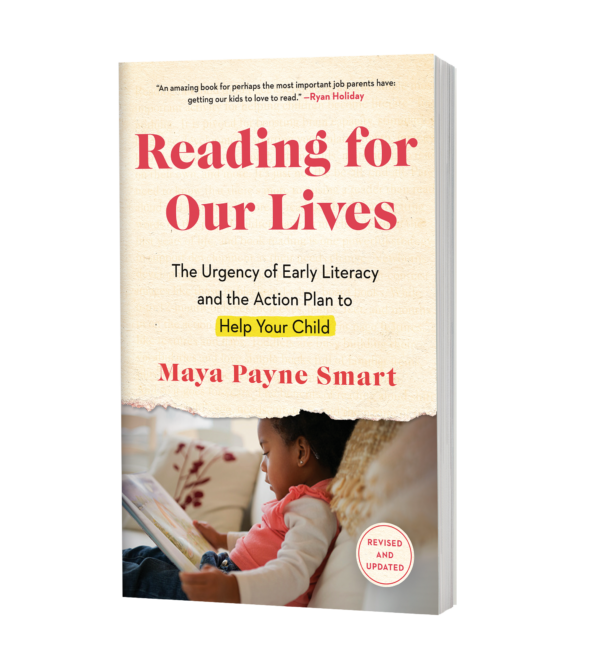
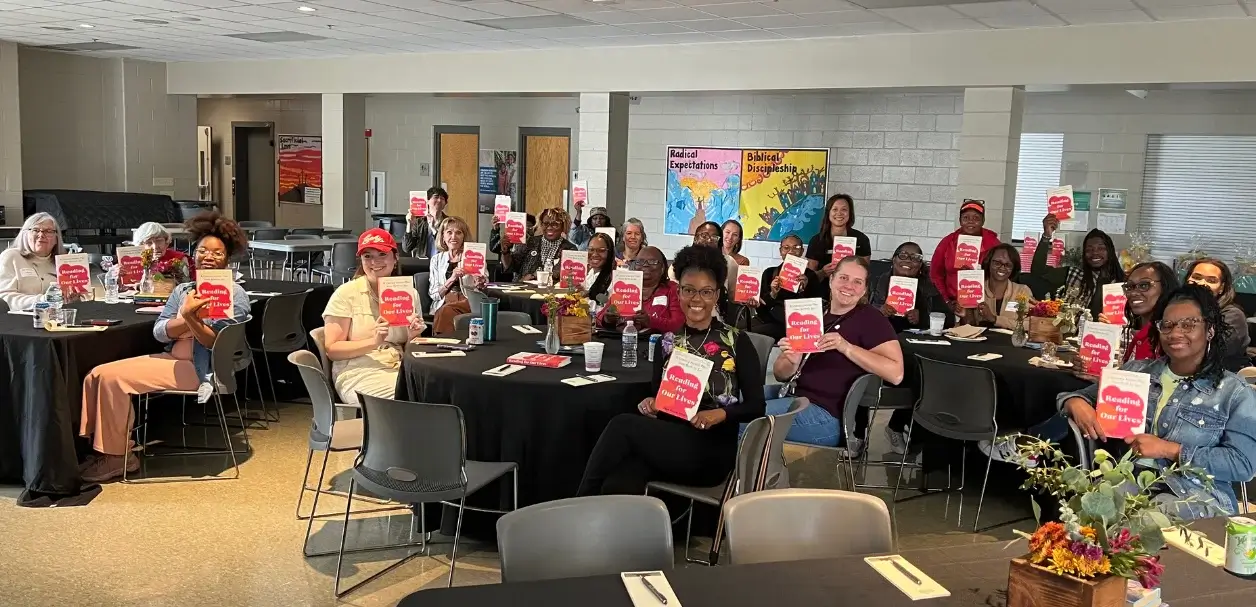
Want to dig deeper into early literacy and family literacy? Consider hosting a virtual book club where we explore these ideas together.
Learn more.