
Underground Railroad by Colson Whitehead book cover

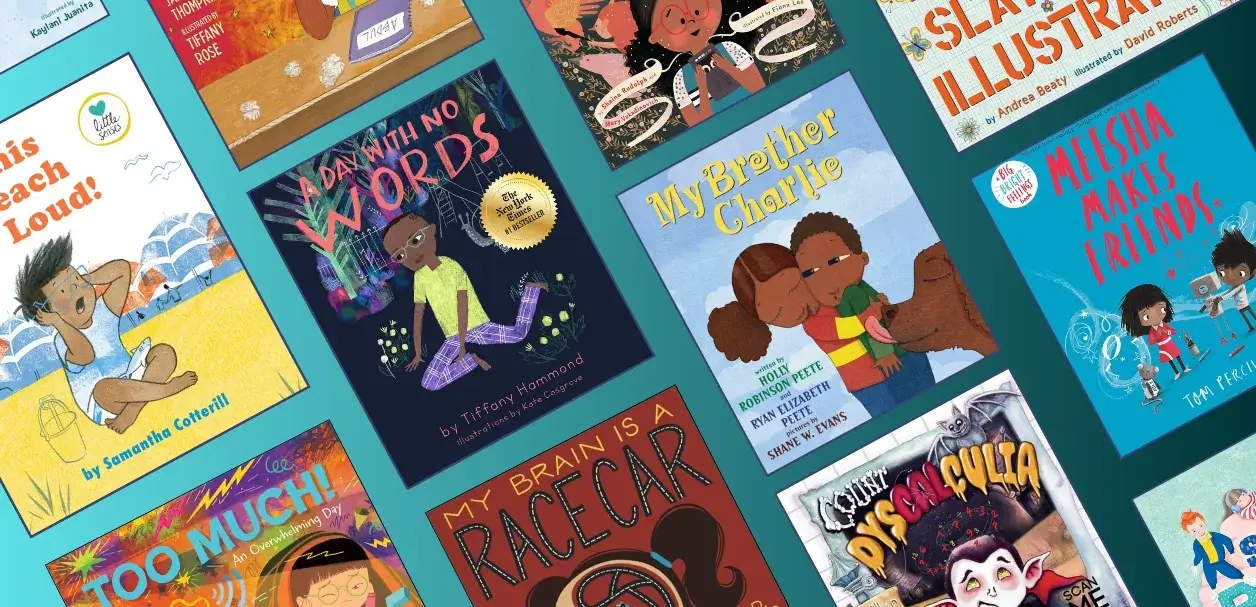
Whether you’re reading to a neurodiverse child or want to help other kids understand neurodiversity, this book list has you covered with titles that reflect autism, dyslexia, ADHD, and dyscalculia with care and honesty. Picture books with neurodiverse characters can help children see themselves and others more clearly, while aiding grownups to explain neurodiversity to kids in ways they truly comprehend.

All these titles make for meaningful read-alouds that offer opportunities to talk about different ways of thinking, learning, communicating, and experiencing the world. This helps make reading time more engaging, supports empathy, and gives language to topics that are often hard to explain. Together, these stories remind readers that there is no single “right” way to think—and every mind has something worthwhile to share.

Next Level

A Hymn in Gratitude for Neurodiversity

Written by Samara Cole Doyon, Illustrated by Kaylani Juanita

Parents will enjoy reading this book aloud while sparking conversations about how children think, communicate, and view life differently. Next Level: A Hymn in Gratitude for Neurodiversity offers a cheerful, uplifting invitation for families to explore neurodiversity together and recognize the energy, imagination, and personality that make every child special. The story follows a parent and child through a day full of curiosity, discovery, and unique ways of experiencing the world. Playful language and rich, expressive illustrations show the joy of parenting a neurodivergent child.

Purchase

My Brother Charlie

Written by Holly Robinson Peete and Ryan Elizabeth Peete, Illustrated by Shane W. Evans

This heartwarming picture book invites children into the everyday world of Charlie, a boy with autism, through the eyes of his twin sister, Callie. This story shows how Charlie sees and interacts with the world in his own way. Kids will delight in his interests, quirks, and big personality, while parents will appreciate the gentle lessons about empathy, acceptance, and honoring differences. My Brother Charlie encourages conversations about neurodiversity and helps children see that everyone has ways that they’re special.

Purchase

A Day with No Words

Written by Tiffany Hammond, Illustrated by Kate Cosgrove

This story follows a young, nonverbal autistic boy as he spends a full day with his mother, navigating school, play, and everyday moments without speaking. Through gestures, a communication device, and his own creative ways of expressing himself, he shows that connection and understanding don’t always need words. Told from his perspective, the story invites children and parents to experience the world through the richness of nonverbal communication. Beautiful illustrations bring warmth and intimacy to each scene, making it a thoughtful read for families. This book sets the stage for conversations about empathy, acceptance, and celebrating the many ways children can express themselves.

Purchase

My Brain is a Race Car

Written and illustrated by Nell Harris

Using an exciting race car metaphor, this title shows children how their brains can zoom, spin, and sometimes overheat. The story helps kids reflect on and appreciate what it feels like when thoughts jump quickly, focus is tricky, or slowing down is hard. With colorful illustrations and playful comparisons, parents can use the book to talk about energy, attention, and self-regulation in a relatable way, making it a good read for families supporting children who think, feel, or move a little differently. It’s particularly helpful for children trying to understand ADHD.

Purchase

This Beach is Loud!

Written and illustrated by Samantha Cotterill

A young boy is excited for a day at the beach but quickly finds that the bright sun, crashing waves, chattering crowds, and sticky sand can feel overwhelming. With the help of his dad, he discovers ways to manage the noise and sensations, so he can enjoy the outing in his own way. This Beach is Loud! offers parents a chance to talk about sensory differences and finding strategies that make children feel comfortable in new or overstimulating situations.

Purchase

Too Much!

An Overwhelming Day

Written by Jolene Gutiérrez, Illustrated by Angel Chang

Have you ever wondered what it feels like when everyday sights, sounds, and sensations suddenly become overwhelming? Too Much! An Overwhelming Day follows a young child navigating bright sunlight, noisy crowds, and busy environments that feel like too much to handle. Through playful rhymes and vivid illustrations, readers experience sensory overload from the child’s perspective and see the small strategies that bring calm and comfort. The story captures the intensity of sensory differences while showing moments of resilience and self-discovery. It offers insight into patience and daily adjustments that make life more manageable.

Purchase

Meesha Makes Friends

Written and illustrated by Tom Percival

Meesha is a little girl who loves creating but isn’t sure how to connect with other children. When she attends a party, the noise and unfamiliar faces feel overwhelming—but her imagination and gentle curiosity help her find a friend in Josh. Tom Percival, known for books like Ruby’s Worry and Tilly and Friends, explores feelings and social challenges in a way young children can relate to. This story encourages kids to embrace their unique personalities while discovering how small steps can lead to meaningful friendships. It’s a reassuring read for families navigating the tricky world of making friends, especially for kids who struggle to navigate social cues.

Purchase

Some Brains

A book celebrating neurodiversity

Written by Nelly Thomas, Illustrated by Cat MacInnes

Some Brains: A Book Celebrating Neurodiversity by Nelly Thomas is a joyful exploration of all the different ways children think, learn, and experience the world. From minds that zoom with ideas to brains that notice details others miss, the story shows that every child’s way of thinking is valuable. This book allows neurodivergent children to view themselves in a bright and wonderful way, while giving neurotypical kids a way to frame others in the same light.

Purchase

Brilliant Bea

Written by Shaina Rudolph and Mary Vukadinovich, Illustrated by Fiona Lee

What if your best stories lived in your head, not on the page? Brilliant Bea follows an inventive young girl whose big ideas collide with the challenges of dyslexia. Reading and writing feel hard, but Bea’s imagination never slows down. When a thoughtful teacher offers a practical accommodation, Bea finally has a way to share her voice and shine in the classroom. The story highlights how recognizing strengths and adjusting tools can change a child’s school experience. Printed in a dyslexia-friendly font, the book is easier to read for many struggling learners. It opens the door to positive conversations about learning differences and confidence.

Purchase

Count Dyscalculia

Written and illustrated by Mischa Pearson

What happens when numbers feel confusing, no matter how hard you try? Count Dyscalculia introduces Cal, a young vampire who struggles with math because of dyscalculia. Through clear examples and relatable school moments, the book explains how number-based learning differences affect daily classroom tasks. Cal’s experiences help normalize frustration while also showing that difficulty with math does not define intelligence. The story highlights patience and ways adults and peers can offer practical support.

Purchase

Aaron Slater, Illustrator

Written by Andrea Beaty, Illustrated by David Roberts

Part of the popular Questioneers series that includes Ada Twist, Scientist and Rosie Revere, Engineer, this story follows Aaron, an artistic and curious boy who loves stories but struggles with reading because letters often look like squiggles to him. When his teacher gives a writing assignment, Aaron worries he can’t do it—until he finds his own way to express his ideas through drawing. Written in a dyslexia‑friendly font, this book makes children with dyslexia feel seen while showing that there are many ways to communicate and share ideas. Children will enjoy reading it aloud and connecting with Aaron’s life.

Purchase