
Dear Maya,
I’m not comfortable reading. Is it better for me to tell a story to my kid, or is there something different I should do?
Maya’s Answer:
Thanks so much for raising this important question. Many parents who aren’t comfortable reading worry that they don’t have much to contribute to their child’s reading development. But your instinct to do what you can—tell stories and engage verbally—is perfect. The research is very clear: your voice, your engagement, and your questions during everyday conversation build vocabulary, knowledge, and curiosity that are a strong foundation for literacy.
Studies show that telling your child stories supports their vocabulary, narrative skills, and early literacy. This includes telling personal or family stories, cultural tales, or narratives you make up. When parents and children share stories, children get practice with new words, organizing ideas, and understanding how stories work—all of which are important for later reading. At the same time, it’s important to note that there is still relatively little research that specifically examines how these benefits play out for children of parents with low literacy.
You can also share picture books with your child, even if reading the words feels uncomfortable. In fact, there’s a strong base of research to support this approach. Think of the book and its illustrations as a springboard for conversation. Sit together, turn the pages, and talk about what you notice with the characters, emotions, and action in the pictures. You can describe what you see, ask what your child thinks is happening, or make up your own version of the story. This kind of back-and-forth talk builds your child’s vocabulary, comprehension, and connection with you. If getting books is a barrier, your local library, Little Free Libraries, or community book programs can help you keep books stocked at home. You can also check out these tips for getting cheap or free books for kids, tweens, and teens.
Asking questions is another easy, powerful way to grow your child’s language and thinking — no book required. Simple who, what, where, and when questions help toddlers learn new words and speak in longer sentences. As children get older, questions like why, how, and what do you think will happen next? encourage them to explain their ideas, tell stories, and talk about things beyond what they can see. Research shows this kind of back-and-forth talk boosts vocabulary, story understanding, memory, reasoning, and even social awareness.
Talking with your child during meals, walks, chores, or playtime strengthens their oral language, which is essential for reading. Children don’t just need to sound out words—they need to understand them. Your conversation gives them that understanding. Your responsiveness, warmth, and attention are doing real work.
I came up with a framework called the TALK Method to help parents remember to spend more time on brain-building interactions with their small kids. TALK stands for Taking turns, Answering questions, Labeling and pointing out objects (in this case, “labeling” just means saying the name of the item, not putting a physical label on it), and Keeping the conversation going. Learn more about the TALK Method here.
Also, even though you don’t feel comfortable reading to your child, you can encourage them to read to you. Your presence and attention send a powerful message: “Your reading matters.” You don’t have to read along, judge their performance, or correct any mistakes. Just listen patiently, show interest, and celebrate their effort. Your attention will build their confidence, motivation, and persistence—all key ingredients for reading success.
Of course, your child will need support from teachers and others to learn to read. But don’t discount what your words, your attention, and your stories can do. You are already supporting your child’s path to becoming a strong reader. You’ve got this.
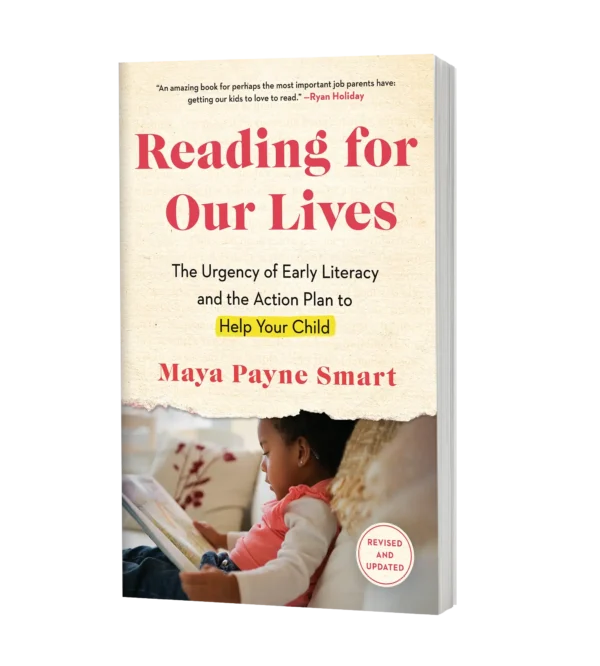
Get Reading for Our Lives: The Urgency of Early Literacy and the Action Plan to Help Your Child
Learn how to foster your child’s pre-reading and reading skills easily, affordably, and playfully in the time you’re already spending together.
Get Reading for Our Lives