What Makes a Great Children’s Book?
At the Reach Out and Read Annual Meeting in Verona, Wisconsin, I had the pleasure of hearing from Tessa Michaelson Schmidt, director of the Cooperative Children’s Book Center (CCBC) at the University of Wisconsin–Madison. Her talk reminded me that this gem of a resource is available not only to librarians and educators—but to all of us.
The CCBC is a non-circulating library devoted to examining, studying, and researching children’s literature. While you can’t check books out, you can visit, browse, and learn. It’s open to the public, which means parents and caregivers can explore its incredible collection to discover books that inspire, entertain, and expand young minds. So if you’re in Wisconsin—or planning a visit—be sure to check it out.
You can also search its book lists and database of high-quality and diverse books online, then order from your local bookseller or check them out from your local library. The CCBC even hosts live talks exploring new books. Visit their calendar of events to find upcoming presentations or check out the archive of past events.
During her presentation, Schmidt shared how CCBC’s Charlotte Zolotow Award committee identifies outstanding picture books. Their criteria reveal a particular point of view:
- A child-centered focus—featuring young protagonists or issues that matter deeply to kids
- A strong, consistent sense of story, character, and setting
- Language that’s vivid, rhythmic, and engaging to read aloud
- Themes that broaden awareness of the world and human experience
- Stories that delight without preaching or moralizing
The best books, she noted, also carry a sense of honesty and integrity. They use carefully chosen words, fresh ideas, and humor to stretch readers’ imaginations—offering new ways to think about similarity, difference, and possibility.
Listening to her, I found myself reflecting on my own book-choosing habits as a parent. What criteria guide me when I’m picking books to share? The truth is, those standards change as our children grow.
If you’ve got a baby in your lap, a sturdy board book with bright pictures and simple words is perfect—something they can chew, tug, and turn while they listen to your voice.
When your child is a tween or teen, the “right” book may simply be one that holds their interest. My 14-year-old, for instance, gravitates toward stories about high school life, social issues, and the inner workings of the world. For her, a great book is one that feels relevant and real.
Every family’s list will look a little different—and that’s exactly as it should be. In fact, your list for each of your children may vary. The key is to be intentional: to think about what you want a book to offer your little one right now.
- If you’re building early literacy skills, alphabet books can bring their attention to letter shapes and nursery rhymes can help tune their ears to the sounds in words.
- If you’re nurturing identity, books whose characters reflect your child’s background and experiences may top your list.
- If you want to widen their worldview, stories that showcase other cultures, perspectives, and possibilities may fit the bill.
Whatever your goals, take a few minutes to jot down your own 3–5 criteria for what makes a “great” book for your child now. On the flip side, also list out what your personal “no-gos” are. For example, Schmidt gave the example of an excellent picture book with a well-told, compelling story that they did not recommend because it portrayed Asian characters with slanted eyes—a stereotypical and racist depiction.
When we take the time to examine our book choices through the lens of our values and teaching priorities, we move from passive book buyers to purposeful curators of learning.
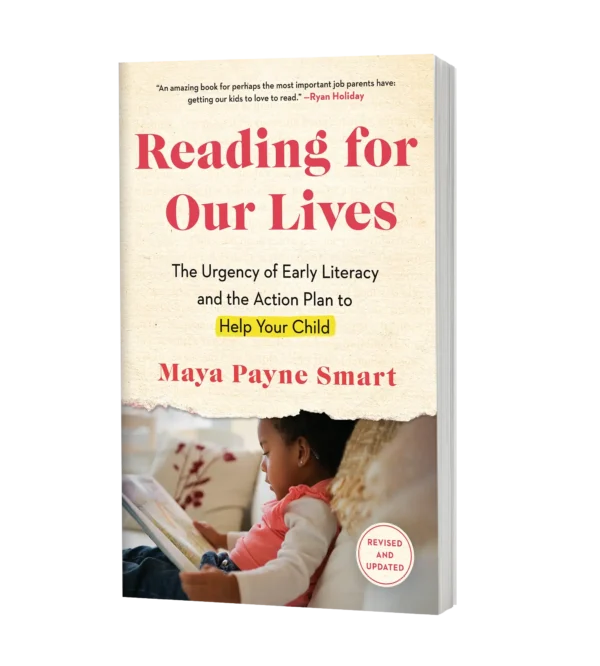
Get Reading for Our Lives: The Urgency of Early Literacy and the Action Plan to Help Your Child
Learn how to foster your child’s pre-reading and reading skills easily, affordably, and playfully in the time you’re already spending together.
Get Reading for Our Lives