Reading scores from report cards, state testing, and classroom assessments trickle home all school year, and most families do the same thing with them: skim, fret, and then file or pitch the report. But there’s an invitation in every report, a call to look into, not away from, the numbers.
I was reminded of this recently when I received assessment scores for a fourth grade student whose tutoring I sponsor. When tutoring began, he struggled with digraphs, which are combinations of two letters that make one sound, like the /ch/ in chip or the /sh/ in shot. Fourteen sessions later, his digraph score hadn’t moved. There had been progress in other skills, but not in that one, which in an ideal world he would have mastered in kindergarten.
I could have filed the report away and waited to see if the next one looked better. But that’s not my style. Instead, I wrote back, and copied his mom to model rule number one of reading data for parents: greet data with questions.
You’re the Leader of Your Child’s Reading Team
Kids need the support of a whole team to become strong readers: parents and caregivers, schools, tutors, and others in their community. But the parents or guardians are the linchpin: Teachers change every year. Tutors come and go. Parents are the ones who are with children for the duration.
That makes it your job to keep your child’s team pointed in the right direction. You don’t have to be an expert in every aspect of reading. You just need to learn enough to get what you need from the people who are experts. And your best tool for that is often a question.
Make Questions Your Default
Whenever you get your child’s assessments, grades, or score reports, plan to raise a question. The decision to look into the data and inquire about it changes your whole demeanor from passive recipient of updates to active participant in progress.
It changes how you read the report in the first place. Instead of skimming to get the gist, you read every line. You note what you don’t understand, what worries you, and what you want to know about the plan.
Asking questions can feel like you’re imposing. You’re not. If your child is enrolled in school, you should be able to expect a certain level of communication, and your state may even require it. If you’re paying for tutoring, you should be able to expect results. Answering your questions is part of the contract.
The only times to skip are if your child’s scores are stellar or the professional’s already provided specific resources and next steps. Even then, I would still jot down a couple of follow-up questions, but it’s OK to save them for the next parent-teacher conference or occasion to chat, since it’s not urgent.
What to Ask About Your Child’s Reading Scores
I teach parents two kinds of questions. Asking-about questions are rooted in curiosity. They’re informational and low-stakes: What does this score mean? What are you covering right now? Asking-for questions are requests, sometimes demands. They call for more sessions, a meeting, a different approach.
Asking about comes first, because it positions you well to ask for something down the road. You learn what the plan is. The teacher or tutor learns that you’re paying attention. When you do need to make a request, you make it as a partner.
How to Ask
Here’s the process:
- Read the assessment. Look for signs of what’s going well and what needs improvement. We’re always seeking opportunities for growth, but noticing and celebrating progress is important too.
- Check every resource shared with the report. Assessment data often gets returned with links or QR codes to followup resources. Click every page and every resource.
- Formulate specific questions. What exactly does the child need support with? What’s their plan to reteach or reinforce any missing material? How can we help at home?
What I Asked
Hi there,
It’s exciting to see that he’s mastered the CVCe skill!
Looks like he needs greater support with digraphs. I looked at your practice resources page, but didn’t see any specific digraph resources. A few questions:
- Which digraphs are covered at this stage of your program: consonant digraphs? vowel digraphs? Can you share a list?
- What do you recommend that his mom do to help him practice this skill at home?
- Also, how do you approach reteaching this topic?
Best,
Maya
The question about how to help at home seeks out specific actions parents can take, and signals to the professional: We want to see this change, and we are willing to help. We’re not relying on you alone, but we want your expert opinion on how to support him.
Lead With Curiosity (Not Condemnation)
Notice what the email doesn’t say or, I hope, imply: “You didn’t do your job. This is disappointing.” When you lead with frustration, the teacher or tutor is liable to feel understandably defensive.
Keep the emotion out of the first message and instead seek information and open communication.
A few other ways a good message can go sideways:
- Asking for too much too soon. Demanding a fix before you ask about their plan suggests you assume they won’t act or don’t have a good plan. Ask what they intend to do first.
- Asking too broadly. “Anything I should know?” leaves them too big a universe to consider. Target your questions toward action: What does this score mean for my child, and what should be done about it—by you and me?
If you worry that asking questions will put you on the teacher’s bad side, remember your goal: reading results for your child. If you’re respectful and understanding, you should expect a respectful, understanding response. You’re not banging your fists on the table.
Vague Answer? Ask for More
Depending on the reply, the asking can go in many directions. If the answer is vague, ask for specifics, such as:
- “How many lessons/sessions will be devoted to this skill?”
- “When is the next assessment?”
- “Are there smaller, skill-based checks between the big assessments?”
You might ask to have a conversation with the tutor or someone from the program. You also might ask for a demonstration of practice activities to do at home, so you can see what helping looks like.
Good Answer? Close the Loop
If they reply with a solid plan, thank them. Note when you’ll circle back for an update, and say you look forward to seeing results.
If they give you specific things to do at home, thank them and make an earnest attempt to do those things. This is about helping your child, so it’s all hands on deck.
Assessment data can feel intimidating. Most reports try to help, using color coding or charts and graphs that show where your child falls. When something isn’t clear, ask.
Reading your child’s data and asking good questions about it is a foundational parenting skill, and you’ll get better at both with practice. Raising a reader takes years. The best time to start digging into the data is now. Find the latest report you’ve received and ask away!
Your next step: Enter your email in the box to get my free fill-in email template and use it the next time a report comes home.
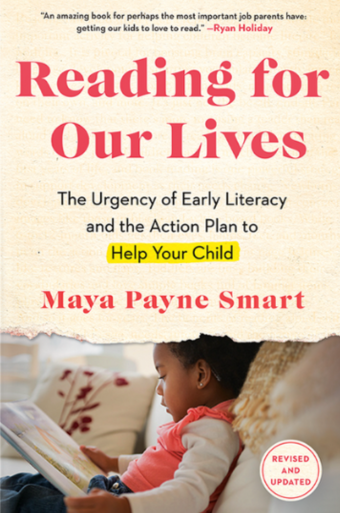
Get Reading for Our Lives
Learn how to foster your child’s pre-reading and reading skills easily, affordably, and playfully in the time you’re already spending together.
Get Reading for Our Lives