
A literacy coordinator shows a colorful, 14-page board book to a three-year-old during a well-child doctor’s visit. She reads the story aloud, then asks the child to point to the cover, name some letters, and write their name on the back.
In less than 10 minutes, that exchange reveals nine telling data points about that child’s path to reading—well before kindergarten.
This simple but powerful check-in is called “emergent literacy screening.” It’s a growing feature during medical care for small kids at Nationwide Children’s Hospital in Columbus, Ohio. Providers there have already screened 2,400 children across 13 pediatric clinics.
A recent AP article reported on the hospital’s literacy screening program. That’s great—except that the article left out the details that matter most for parents and other caring adults who read it. AP didn’t explain how the program measures small kids’ early literacy, nor did it tell parents what they can do at home to keep kids on track.
So let me.
The Reading House
I first wrote about a hospital’s nascent literacy efforts on this blog 10 years ago (see When Books Are the Best Medicine: Fostering Literacy in the ER), and I’m thrilled to see how far things have come, with formal literacy coordinators now embedded in some exam rooms. It’s a great sign that health systems are heeding the American Academy of Pediatrics’ longstanding argument: that literacy promotion belongs in family medical care.
Done well, this kind of early intervention can redirect thousands of children’s reading trajectories before reading challenges and learning gaps become entrenched.
The hospital’s early-literacy screening program uses a simple but effective screening tool. It’s a board book titled The Reading House that comes with a scripted scoring form the adult fills in after reading and interacting with the child. Dr. John Hutton, a pediatrician, researcher, and former bookstore owner, developed the tool. I heard him speak about it at a Reach Out and Read conference in 2024.
It’s important to name what tool the hospital uses if we want other programs to replicate it—so that pediatric clinics, Head Start programs, or family literacy nonprofits across the country can find, study, and adopt the same tool.
Here’s how a Reading House screening works: A pediatric clinician or literacy educator sits with the child and walks through the book with them, as described above. To be clear, they’re not testing whether the three-year-olds can read. Most cannot.
Instead, they’re assessing the building blocks of reading that a child needs stacked up before they can start actually reading. They evaluate the child’s vocabulary, familiarity with books, knowledge of the alphabet, ability to hear and recognize different sounds (called “phonological awareness”), and early writing skills.
In the assessment, the child listens, points, responds, scribbles. The adult scores what they observe. Research has found that children who score higher in this screening show measurable differences in the brain regions that support language and reading.
Why Parents Need the Literacy Screening Details
The AP article‘s comment section illustrates exactly what happens when media coverage is too vague. The article reports that the hospital has “begun screening children’s literacy skills starting at age three,” but doesn’t explain what that means—leading some readers to assume the hospital was expecting kids to actually read at that age.
One commenter, for example, asked a fair question: “Three-year-olds can’t read. Please give us an idea of what it means to screen an (illiterate, in 99.9% of cases) three-year-old’s ‘literacy skills’?” The article never addresses that natural question.
Another commenter objected that the piece advocated turning toddlers into readers, arguing that many children aren’t developmentally ready to read until age eight. They’re wrong about the screening’s aim and the developmental timeline, but the confusion is understandable.
The article glossed over the basics: what the screening asks of children and how reading differs from its precursors (like letter knowledge and sound awareness). So the public filled in the gaps themselves—with mistakes. A valuable opportunity to educate parents and other adults who cared enough to read the article and comment was lost.
What You Can Do About Early Literacy
Parents don’t need to wait for a doctor or clinic visit to support early literacy skills. If you have a baby, talk to them all the time—narrate your day, name objects, describe what you’re doing.
If you have a toddler, read aloud to them and ask questions that invite them to talk, too: What do you see? What sound does that start with?
With a preschooler, teach and practice letter names and the sounds they make. Help your child write their own name. Play with rhymes.
See my post about language and literacy milestones for babies and young kids, so you can anticipate the experiences your child should have in order to make good progress along the path to reading.
And see these other articles for age-specific strategies to nurture your child’s early literacy:
With babies:
- Language Nutrition: Talk to Your Baby
- 4 Brilliant Ways Nursery Rhymes Prepare Kids to Read and Write
With toddlers:
With preschoolers:
With school-aged kids:
- Why Phonics Instruction Matters—and How to Know if Your Child is Getting It
- Reading Fluency Strategy: Help Your Child Recognize Words Quickly and Confidently
The skills that the Reading House literacy screening evaluates aren’t mysterious. They develop through simple, everyday interactions. With a little knowledge, time, and attention, any parent or caregiver can help their babies and kids top the charts.
Host a Virtual Book Club
Want to dig deeper into early literacy and family literacy?
Consider hosting a virtual book club where we explore these ideas together.

A mom I know recently told me about watching her eighth-grade son on FaceTime, helping a friend prep for a school presentation.
The two boys were partners tasked with delivering a written report to their class. But the friend couldn’t read it—couldn’t read much of anything, really—so instead, her son was patiently helping him memorize the key points.
She was proud of her son’s kindness, but absolutely heartbroken about his friend.
Her son had struggled too. For years, an individual education plan (IEP) had given him structured support to catch up to grade-level reading this year, on the cusp of high school. Two caring, knowledgeable teachers and a mother who advocated relentlessly made all the difference.
His friend never got that. It’s tempting to chalk it up to learning disabilities or bad luck. But it’s really a story about what happens when kids don’t receive the right reading instruction early and what becomes possible when they do.
The good news: you don’t have to leave this to chance. Here’s what the research says about how children learn to read, and what to look for in your child’s classroom.
How Reading Actually Works
The ability to read comes from the combination of multiple skills.
Some of those skills grow naturally through spoken language. Conversation, storytelling, and shared experiences help children build vocabulary and background knowledge that lets them understand what they eventually read.
Other skills are different. They’re specific to written language and the “alphabetic code”: the system of written letters that represent spoken sounds. These skills don’t grow naturally through daily life. We have to teach them.
As children approach school age, they need to be taught the alphabetic code—the relationships between speech sounds and their spellings. This can get a little complicated, because English has 44 sounds but only 26 letters to represent them. This means that some letters represent multiple sounds and many sounds have multiple spellings that use one, two, three, or even four letters (Think: go, show, woe, though).
How Parents Can Help Before Kindergarten
You can point out letters in everyday life and talk about their shapes. Specifically pointing out and describing the lines, curves, and dots that make up each individual letter helps kids distinguish between them. An N and an M are similar, but when you point out the lines and trace them, the difference is clearer.
You can also help children notice that spoken words are made up of parts—syllables and individual sounds like their starting sound, middle sounds, and ending sounds.
Kids pick all this up gradually. They can typically notice syllables first—if you start pointing them out—and then start being able to distinguish beginning sounds, then ending sounds, and eventually all the sounds within words. This helps explain why children who are learning their letters may at first try spelling a word by writing just its starting letter.
Once children understand that words are made of individual sounds, they can begin connecting those sounds to letters (and letter combinations) in print.
As they get older, this understanding grows through both experience and specific instruction. They learn that certain letter patterns tend to go together in English, while some combinations rarely appear. They discover that word endings like -s, -es, and -ed carry meaning—such as plural or past tense.
Spelling is not random, even though it can often feel that way. Just 4% of English words are truly irregular. The specific way words are written has to do with patterns of sound, meaning, and history that can be taught and learned.
Some kids pick up these patterns on their own, figuring out, for instance, that the spelling ough is pronounced differently in borough and through. But most children learn these patterns faster and better when someone directly teaches them.
Imagine going to another country where you don’t know the language—and it’s written in a different alphabet. If you stayed long enough, you would surely learn to communicate and pick up critical information on signs or menus. But you would get there a lot faster if someone offered you a phrasebook that directly taught you the most common words and expressions you’d need in the language you already understand.
Where Schools Come In
Once children enter kindergarten, schools need to focus on helping them master this alphabetic system. This is where phonics instruction becomes essential.
Phonics refers to the relationship between speech sounds and written letters. It teaches children how to map one onto the other. In the above analogy, it’s the “phrasebook” for written English—the guide that connects what you know to what you don’t.
In English, for example, the long A sound can be spelled ay, ey, eigh, and several other ways. But it cannot be spelled kt, for example.
Phonics is both knowledge of the alphabetic code and a strategy for reading unfamiliar words—it’s what lets kids “sound out” new words.
A phonics-based approach teaches children to look carefully at each letter or letter combination, connect the letter or letters to a sound, and then blend the sounds of a word together.
This differs from less-reliable reading strategies like guessing based on pictures, guessing from the first letter, or memorizing word shapes.
Decades of research show that phonics is the most effective way to help most children learn to read. This may sound obvious, but it has been the subject of serious debate—and many schools do not have systematic phonics instruction or phonics-trained teachers, despite overwhelming evidence of its value.
What Effective Phonics Instruction Looks Like
Strong phonics instruction is explicit: It teaches children directly how the code works. It’s systematic, meaning skills are taught in a logical order. And it’s cumulative, so new learning builds on what came before.
You’ll know instruction is direct when you observe the teacher:
- Tell students the purpose of the day’s lesson. (E.g., “Today we’re going to learn about the long E sound.”)
- Show kids specific sound-spelling correspondences with examples. (E.g., “The sound /ē/ can be spelled “ee” like in feet or tree.”)
- Supervise the kids’ practice and offer immediate corrections when needed.
- Have kids practice alone only after showing them what to do and observing them do it.
This kind of direct phonics instruction is in sharp contrast to other approaches where the student leads, does a lot of self-directed activities, or reads silently. None of those things is wrong in themselves, but students need strong phonics understanding before they work and learn well independently.
This point is critically important. We shouldn’t expect young students to teach themselves.
When teachers do give students texts to try to read independently, the texts need to be “decodable.” That means they must contain phonics patterns that the kids have learned. They cannot be just “reading-level texts” that aren’t directly tied to the phonics lessons kids have been getting.
The direct phonics instruction approach gives kids a fair shot at using what they’ve been taught to successfully read. Other approaches leave many kids staring blankly at incomprehensible texts and making little reading progress from year to year.
Research from the U.S., U.K., and Australia has consistently shown that systematic phonics instruction greatly improves English reading outcomes.
Why Isn’t Phonics Instruction Universal?
Many teachers were not trained this way. Others may view phonics as dry or overly technical, or not really understand it themselves.
And the system has depth and layers, it’s true. English uses 26 letters, about 44 speech sounds, and more than 200 spelling patterns. But with proper training and a strong curriculum, this complexity is absolutely manageable. It’s not rocket science. It’s simply a code with nuances that generations of teachers and students have mastered.
Fixing how teachers are trained is a long-term project, and it’s not something you can solve from your child’s classroom. What you can do is know what good instruction looks like—and ask for it.
What Parents Should Look For
If your child is not yet a fluent reader, check that their school and teachers will provide direct, well-sequenced phonics instruction.
You can learn a lot by asking simple questions:
- What curriculum do you use?
- What phonics scope and sequence do you follow?
- Are children assigned decodable books?
- How much time do you spend on phoneme awareness?
- How much time do you spend on phonics?
You can also observe. In a strong early-reading classroom, you’re likely to see teachers helping children work on manipulating sounds inside words to build more understanding. For example, a teacher may tell them: “Say mat. Now change the /m/ to /b/. That’s right. It makes bat.”
Expert teachers implementing a strong phonics curriculum may also have students use mirrors to watch how their mouths form sounds. They may encourage kids to feel their throats to notice the vibration or place their hands in front of their mouths to detect puffs of air when they speak. Attention to these physical nuances in how sounds are articulated is extremely beneficial for kids who are struggling to discern similar sounds within words, which affects reading and spelling.
Activities like these show that the teacher understands that reading begins with hearing and producing the sounds inside words. Such hands-on lessons may be rarer than forms of phonics instruction that teach sounds but not how they are made, but they are a sure sign of good instruction.
You’ll also want to watch for whether the teacher provides immediate feedback when students make a reading mistake and directs them to pay attention to the letters within the words, even when spellings are irregular.
This kind of instruction is especially important for multilingual learners, children who speak different dialects, and struggling readers. However, it benefits all students, helping them all become the thriving readers they deserve to be—and that our society needs them to be.
Get Reading for Our Lives: The Urgency of Early Literacy and the Action Plan to Help Your Child
Learn how to foster your child’s pre-reading and reading skills easily, affordably, and playfully in the time you’re already spending together.
Get Reading for Our Lives Last year, I stood in front of a room full of thoughtful, engaged adults and asked a simple question:
“What is reading?”
Hands went up.
“Empowerment.” “Freedom.” “Escape.” “Exploration.” “Learning.”
Beautiful answers. True answers.
But those aren’t what reading is.
They’re what reading does. They’re how it feels.
If we want to help our children become strong readers, we need to understand what reading actually is—at its core. Once we’re clear about that, we start seeing opportunities everywhere.
The Idea that Makes Teaching Reading Simple
Years ago, in a University of Virginia course on the foundations of reading instruction, I learned about something called the “Simple View of Reading.”
It’s not flashy. It’s not trendy. It’s not a program.
It’s a simple conceptual model that explains how reading works. I return to it again and again, because it gives me a clear picture I can hang everything else on.
Reading comprehension (understanding what you read) happens when two things come together:
- Oral language comprehension—understanding spoken words and ideas
- Written word recognition—being able to look at printed letters and turn them into spoken words (sometimes called “decoding” or “understanding the alphabetic principle”)
You can picture it like this:
Spoken Language × Written Word Recognition = Reading
Both parts matter. If either one is weak, understanding suffers.
Here’s the line I often share with parents:
Your child can’t understand anything in writing that they wouldn’t understand if you said it out loud to them.
Sit with that for a moment.
If a word like astonished or enormous or responsibility isn’t in your child’s spoken vocabulary, seeing it on a page won’t magically create understanding. Similarly, if they have never seen an armadillo or a microscope, sounding it out won’t get them far.
This means that if a child can perfectly sound out every word on a page but doesn’t know what those words mean, they aren’t truly reading. They’re reciting.
Reading happens when we know words in speech and in writing.
Why This Changes Everything at Home
Once you think about reading in these two buckets—spoken language and written word recognition—you see your day differently.
Conversations at breakfast build oral language.
Explaining what you’re doing while cooking builds knowledge and vocabulary.
Telling stories from your own childhood builds narrative skills.
Singing songs and nursery rhymes builds awareness of the sounds inside words.
Pointing to a stop sign and saying “S-T-O-P. Those letters spell stop” builds print awareness.
Noticing letters on cereal boxes or describing the straight lines and curves in an M builds familiarity with the alphabetic code.
None of that requires a special curriculum. It requires attention.
When you understand that letters represent the sounds we hear in speech—that written words are a code for spoken language—you see why rhymes, alliteration, and playful word games matter. They tune your child’s ear to the sounds inside words, which supports decoding later.
And when you understand that comprehension depends on spoken language, it never feels optional to spend time in rich, back-and-forth conversation with your child. It’s not “extra.” It’s foundational.
What’s more, all this doesn’t just make it easier to understand how reading develops. It makes it easy to seed literacy and teach reading at home, through everyday moments with your child.
Reading Is Rooted in Relationships
Reading grows through relationships.
Before a child can decode a sentence, they need thousands of warm, responsive conversations.
Before they can understand a story on paper, they need experience understanding stories told aloud.
- When you chat in the car …
- When you narrate bath time …
- When you laugh over a silly rhyme …
- When you answer their endless why questions …
You build the spoken language half of reading.
- When you trace letters with your finger …
- When you point to words as you read …
- When you help your child hear the /b/ sound at the beginning of ball …
You build the written word recognition half.
When those two parts grow together, comprehension follows.
Why I Love This Model
The Simple View isn’t earth-shattering. It’s not complicated. But it gives you a powerful mental image.
It keeps literacy from shrinking down to a single activity like bedtime storytime.
It reminds you that reading is the culmination of:
- Talking
- Listening
- Explaining
- Singing
- Playing with sounds
- Noticing print
- Connecting meaning to symbols
- Sharing books and stories
All woven together.
Understanding this matters from the beginning, as you lay the foundation for your child’s reading.
It also matters long-term, as you support your child’s development into a budding and then skilled and then better and better reader.
With schools focusing on phonics, decoding, and language comprehension, parents who understand this framework can better support and advocate for their children. You’ll recognize what your child’s teachers are asking them to do—and why.
A Simple Way to Start
Tonight, try this:
Ask yourself: What did we do today that built my child’s spoken language?
Ask: What did we do that connected letters to sounds?
You might be surprised by how much you’re already doing.
If you want one small next step, add one more back-and-forth conversation tomorrow. Or point out one word you see together and talk about its letters and sounds.
That’s it.
When you understand what reading is, you stop seeing literacy as something that only happens when you open a book.
You see it as something that grows all day long—through language, connection, and shared attention.
And that shift? That’s when you realize you’ve been teaching reading all along.
School is a building which has four walls with tomorrow inside.
Lon Watters
In my book, Reading for Our Lives: A Literacy Action Plan from Birth to Six, I’ve endeavored to show parents why and how to play an active, hands-on role in helping their children become thriving readers.
But that’s not meant to suggest that parents should go it alone when it comes to turning their kids into readers. No one does. Every child’s road to reading is supported by a range of people, from the librarians who stock children’s books and host story time to the pediatricians who monitor developmental milestones and refer patients for additional assessment and care. Schools and teachers, in particular, are major contributors to reading development, when they are well-trained and well-supported in delivering high-quality instruction.
So part of the work of parenting for reading is being intentional about the formal learning spaces that we place our kids in. Fortunately, if you engage in the kind of everyday teaching and intentional conversation with kids around literacy that I advocate for in Reading for Our Lives, you’ll naturally acquire deep, first-hand knowledge of reading instruction. This will inform how you consider and select early childhood education centers and schools for your children.
When you have worked to build connection, vocabulary, and IQ through conversation; to bolster awareness of the sounds within words and the print in books and the environment; to teach letter names, shapes, and sounds; and to connect sounds to print and print to sounds, you can better recognize the education and childcare settings that will do the same. You’ll be able to spot the spaces and personnel that will help take your children’s reading to new heights.
This article will share a short list of items to look and listen for—and reflect upon—when you research and tour schools or childcare settings. However, I want to emphasize that you’ll best grasp all of these considerations if you’ve done the other talking, reading, and teaching work that I recommend. As Dr. Judson Brewer puts it, “Concepts don’t magically become wisdom with the wave of a wand. You actually have to do the work so the concepts translate into know-how through your own experience.”
It’s our everyday interactions with our kids, not studying reading instruction, that make us their best literacy advocates. What we do to engage our kids and what we learn about how they learn informs every other educational decision we make on their behalf.
How to Pick a Preschool or School That Boosts Literacy
Academic researchers look to things like teacher quality, curriculum, class size, environmental stimulation, and an array of other factors when assessing preschool quality. But I find that most parents typically have a much shorter list of selection criteria. Moms and dads focus on how close the options are to home or work, what the hours of operation are, and whether or not the places look clean and safe.
Only after those basic criteria are met (and if they have more than one viable option), do most then delve into the nuances of different curriculum and education philosophies, from Montessori and Reggio Emilia to Waldorf and HighScope.
When assessing options, I urge parents to tune into the sounds of the classroom and listen for the responsiveness, kindness, and knowledge on display. Just as children’s back-and-forth exchanges with their parents have a lasting impact on the kids’ brain development and academic prospects, dialogue and nurturing relationships with teachers matter greatly, too.
So, whether checking out in-home childcare, public-school pre-K programs, Head Start, or private preschool, here are a few things to look and listen for. All of these apply across the board when thinking about literacy in early learning spaces.
Back-and-Forth Conversation with Kids
Look for settings in which teachers have dynamic, nurturing verbal exchanges with each and every child. Just as parents provide critical language nutrition for their children, educators in infant, toddler, and preschool classrooms also spur vital nurturing, brain-building conversations.
So, when visiting classrooms or observing them via virtual tours, pay attention to how much teachers are talking with children; how well they are listening for kids’ responses, whether words, coos, or babbles; and whether or not each child in the space gets attention and conversation.
Class size, teacher inclinations and beliefs, and school culture can all affect word counts and conversational turns, and research has found vast disparities in how much talk different children within a space receive and give. Make sure your child is in a school where every child’s voice and participation is valued and encouraged.
Questions to Ponder
- Are teachers having nurturing one-on-one conversations with children, in addition to addressing small groups or the whole classroom?
- Are teachers pausing to listen for and respond to the children’s speech, whether words or babbles?
- What’s the ratio of direction/commands (e.g. sit down, be quiet) to conversation?
- Do the teachers speak to students with respect and value their expressions and classroom contributions?
Intentional Programming
Look for settings in which teachers can state what skills they intend to build, how they will nurture and assess them, and when and how they’ll communicate progress to families. The preliteracy and literacy skills that kids should be cultivating at different ages and stages vary widely, so be sure that the programs under consideration have a clear sense of what they’re teaching, why, and how.
For example, with infants, a teacher might share that they prioritize care, nurturing, and brain-building conversation—plus introduce books as objects of exploration, allowing babies to pat, chew, and turn the pages without expectation of great attention to the print or stories.
A teacher of toddlers might say they focus on giving children a variety of materials, letting them lead their own play, and encouraging them to create in their own way. The teacher might aim to provide a great deal of individual attention while also encouraging kids to try things on their own to see how far they get.
In a preschool program, you might expect more explicit discussion of the sounds within words and of letter names, shapes, and sounds, paving the way for formal instruction in phonics and spelling in kindergarten and beyond.
Beyond hearing the teachers’ intentions and method, also look for signs that they view parents as partners in educating children. Listen for assurances that they will keep you posted on what’s happening with your child throughout the year, so that you can continue to provide timely, responsive literacy support at home.
Questions to Ponder
- Do the teachers seem to enjoy their work and interactions with children?
- What curriculum or philosophy does the school follow? Is it accredited in the approach?
- What programs, degrees, certifications, or experience do the teachers bring to their positions?
- What blocks, toys, books, and other learning materials are on display? Do they seem to support the kind of learning the school says it emphasizes? How accessible are they to children?
A Joyful, Playful Environment
Look for settings in which kids are joyful, playful, active learners. When kids are deeply engaged in activities, and they have the freedom to play and explore the materials in their environment, good things will happen. During site visits, listen for the laughter and squeals of delight that characterize little kids’ engagement and discovery.
And, because we’re focused on reading, books and print should be an integral part of the fun of the learning environment. Look for books shelved in baskets, bins, and other spots that are visible and accessible to crawlers and walkers.
Watch to see if kids are given ample opportunity to handle books themselves. And observe how enthusiastic teachers are about discussing the stories, pointing out illustrations and print, asking questions of their little listeners, and fostering book love.
Questions to Ponder
- How happy and engaged do the children seem to be?
- Does the classroom or school foster a sense of community and connection?
- Are there age-appropriate materials to stimulate imagination, exploration, and discovery?
There is no perfect school, so it’s important to get clear about your highest priorities for your child’s learning environment and to listen to your gut feelings about the staff and spaces you visit. Tour schools with an open mind, open eyes, and open ears to find the options that will best serve your child and family.
Join my newsletter to get my best advice, recommendations, and resources straight to your inbox!
Wow, 2024 has been a heck of a year. I’ll never forget one moment in November, during a parent engagement workshop, when I saw the light bulbs going off for a room full of early childhood educators, librarians, and occupational and speech therapists. As we talked about how many had been approaching parents with the wrong energy and content—overloading them with demands instead of offering empathy and help—you could see their awareness dawning.
They began to realize the power of meeting parents where the parents are and giving them simple, impactful tools instead of homework. Witnessing that shift in understanding was so energizing and illustrated a big shift for me in audience and impact.
It felt like a full-circle moment for me, because I began the year with the launch of my Reading Made Simple online course. The course was my way of directly supporting parents with my best advice for guiding their children’s reading journeys at home—from day one. Some professionals enrolled, too, eager to see my approach to communicating family literacy best practices in an accessible, actionable way. This mix of serving parents directly and equipping professionals to amplify the message set me on a new path to commit to scaling my impact by “training the trainers,” so to speak.
Scaling Impact
When I compare 2024 to 2023, the growth and shifts in my work are clear. I found myself speaking to larger audiences over the past year, at bigger workshops and keynote presentations. And while numbers aren’t everything—I know that some of the deepest learning can happen in small, intimate settings—reaching more people is key to spreading this message widely.
That’s how we get to the tipping point of awareness about empowering families and activating whole communities for reading success. I’m proud that my work took me farther afield this year, as well, from Wisconsin to Louisiana, Iowa, Ohio, Maryland, Florida, and Idaho. Literacy needs love in every corner of the nation, and I’m so grateful to have been invited by such a wide variety of organizations to share the message.
This year also brought me to a bigger focus on early childhood professionals. I had the privilege of speaking for organizations including the Ohio Association for the Education of Young Children, the Maryland State Child Care Association, and KinderCare, to name a few.
Literacy is vital at every age, but starting strong with our youngest learners makes a world of difference. When we do a better job early, it helps everywhere down the line—from K-12 classrooms to colleges—because kids have a solid foundation to build on. This work left me feeling incredibly proud and energized.
At the same time, I dove deeper into the world of K-12 education. Even though my book, Reading for Our Lives, initially focused on birth-to-six literacy, reading achievement scores show that older kids often still need to develop those foundational skills.
This makes information on those skills and instilling them important for people working with kids up to 7, 8, and beyond—even through their teens! I began the year by presenting at the Wisconsin State Education Convention and went on to work with schools within the state and a New York school district as well.
One phrase I found myself saying over and over again this year was: Parents don’t want homework; they want help. And what I meant by that was that educators and those of us trying to influence families for the better should shift away from overloading parents with requests—checking folders and Google classrooms and email lists and robocall messages, maintaining reading logs, attending jargon-filled lectures, and so on.
Instead, we need to engage them in meaningful conversations. We need to focus on where their children are in their learning journeys, what’s required for them to advance, what the schools or support services can do to help, and how the parents can help in ways that fit with their strengths and the realities of their circumstances. Families are already juggling so much; they don’t need more to-dos. They need tools and strategies tailored to their reality that genuinely (and visibly) help their children succeed.
Through one-on-one conversations with educators and through consulting engagements, I helped schools reframe their messaging to parents. I urged them to tailor their advice to families’ real-world needs, so they can support kids more effectively. It’s not just about what we say; it’s about how and when we say it, so the message sticks and parents feel empowered to act. This behind-the-scenes work was as rewarding and felt as impactful as taking to stages more publicly.
Milestone Moments
A few pinch-me moments came this year, too. I learned that in February 2025, I’ll receive the Community Service Award from St. Francis Children’s Center at the Milwaukee Auto Show Gala and the Champion of Children Award from Foundations Inc. at their Beyond School Hours Conference in Orlando.
Joining the ranks of past honorees like Dolly Parton and Geoffrey Canada? Incredible! Both awards are wonderful affirmations that this work is resonating with people and making a difference.
And then there was the social media love! Imagine my surprise when Brené Brown shared a quote from my interview on her website about the joys of reading deeply, underlining, and writing in the margins. That single Instagram post brought a thousand new followers to my account. If you’re one of those folks who joined this community because of that post, welcome! I’m thrilled to have you here.
What’s Coming in 2025
Looking ahead to 2025, I’m feeling incredibly excited to keep this momentum going. I will reopen my Reading Made Simple course, this time with rolling enrollment throughout the year and tailored versions for parents and family support professionals.
I’ll also launch an updated and revised paperback edition (and audiobook!) of Reading for Our Lives in April, and I’m planning virtual book clubs and live events to celebrate. If you’d like to be part of the launch team or host an event, let me know—I’d love to make it happen.
If there are stages you’d like to see me on, states you think I should visit, or schools and districts that could use a fresh, responsive approach to engaging families in literacy building, please don’t hesitate to reach out. Together, we can keep empowering families and communities for reading success. Let me know how I can support your community’s literacy goals. Here’s to an even more impactful 2025!
Get Reading for Our Lives: A Literacy Action Plan from Birth to Six
Learn how to foster your child’s pre-reading and reading skills easily, affordably, and playfully in the time you’re already spending together.
Get Reading for Our Lives
Every day, in a hundred small ways, our children ask, “Do you hear me? Do you see me? Do I matter?
L.R. Knost
For most of my life, I’ve held the strong opinion that people talk too much. Among the documents I found when thumbing through files of my old assignments from my twelve years as an Akron Public Schools student in Ohio is an ode to succinctness that I wrote for an English class. In the poem, I call on people to “get to the point,” “keep things simple,” and—presumably for the sake of the rhyme—to avoid “dangling participles.” As an adult, I live for days when I don’t take calls or meetings and spend a full day reveling in silence.
So, imagine my surprise as a quiet-craving parent to discover that all the “let them catch you reading” stuff I’d seen on blogs and in parenting magazines was not critical for raising a reader, but making lots of conversation with babies and toddlers was. If leading reading by example alone isn’t a thing, I learned, parents had best use our voices to proactively bring kids’ attention to print and to build the oral vocabulary they need to make sense of words on the page.
I’m not the only parent who missed the memo about sparking meaningful conversations with kids, beginning in infancy. Studies of kids’ early-language environments show enormous differences in both the quantity and quality of talk that kids engage in with their families. Parent talkativeness varies for all kinds of reasons, from our personalities, stress levels, and time demands to our beliefs about what babies understand and cultural norms about kids’ proper role in conversation with adults.
All of this matters because young children tend to follow their parents’ lead when it comes to how much they talk as they grow older. LENA, a national nonprofit that offers early-talk technology and data-driven early-language programs, compared the average daily vocalizations for kids who had parents with an Adult Word Count (AWC) in the highest versus lowest 20th percentile.
As you can see in the following graph of kids’ average daily vocalizations below from the LENA’s Natural Language Study, talkative parents tend to have talkative little ones and taciturn parents (caregivers who say little) have taciturn kids. And those differences in early language environments and early oral-language skills can have dramatic consequences for kids’ reading and learning outcomes years later.
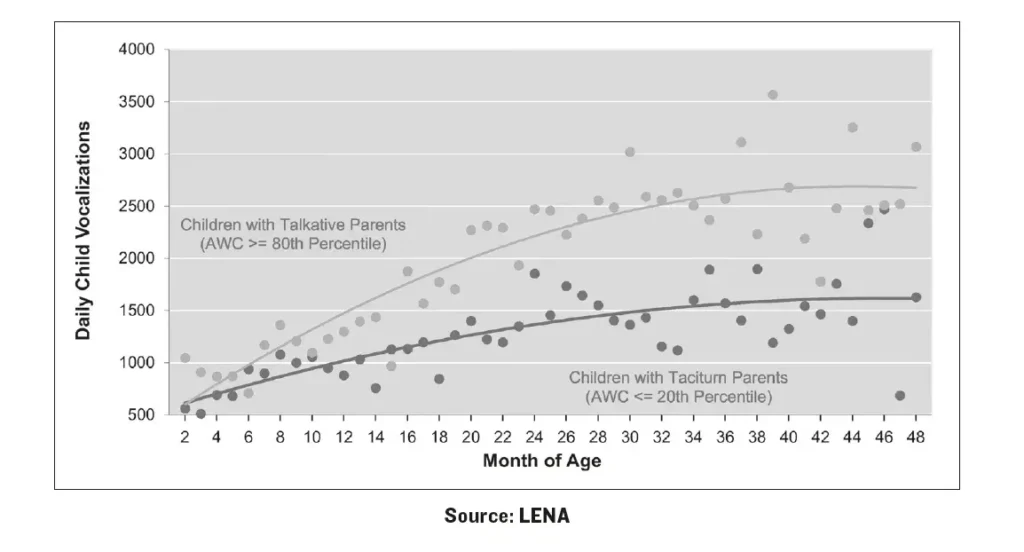
This is the best illustration I’ve seen of the need for parents to say more to inspire kids to do the same. That is why I recommend working to build strong conversational rituals and routines into your family life as a key step to fuel your baby’s brain development and prepare them for reading. Experiment with different approaches to discover the ones that make you most able and motivated to converse more with the kids in your life.
And to the extroverts out there, you’re not off the hook. You should take heed as well, because parents of all stripes, from brusque to verbose, tend to overestimate how much we talk with our kids—and talking at kids isn’t the same as talking with them.
Edited and reprinted with permission from Reading for Our Lives by Maya Payne Smart, published by AVERY, an imprint of Penguin Publishing Group, a division of Penguin Random House, LLC.
Copyright © 2022 by Maya Payne Smart.
Get Reading for Our Lives: A Literacy Action Plan from Birth to Six
Learn how to foster your child’s pre-reading and reading skills easily, affordably, and playfully in the time you’re already spending together.
Get Reading for Our Lives Books help shape how children see themselves and the world, so exposing them to books by strong role models is powerful. Introducing young children to books by fantastic black women authors is a way to expand their world and nurture their love of reading while opening them up to their own potential.
For young black girls, seeing themselves reflected in stories can build confidence, affirm their identity, and show them what’s possible. And for all children, these authors bring rich storytelling with compelling characters and messages to inspire the next generation. Whether you’re looking for books about everyday joy, resilience, or history, these must-read black female authors have stories your family will love.
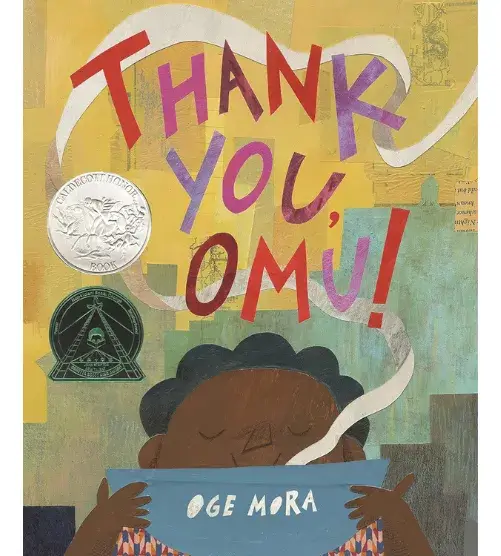
Oge Mora is a fantastic author-illustrator known for her vibrant, collage-style artwork and heartfelt narratives. She won a Caldecott Honor and Ezra Jack Keats award for her debut picture book, Thank You, Omu!, which celebrates generosity and community. In addition to writing, she also illustrates books for other authors, including Everybody in the Red Brick Building, The Oldest Student: How Mary Walker Learned to Read, and Shaking Things Up: 14 Young Women Who Changed the World.
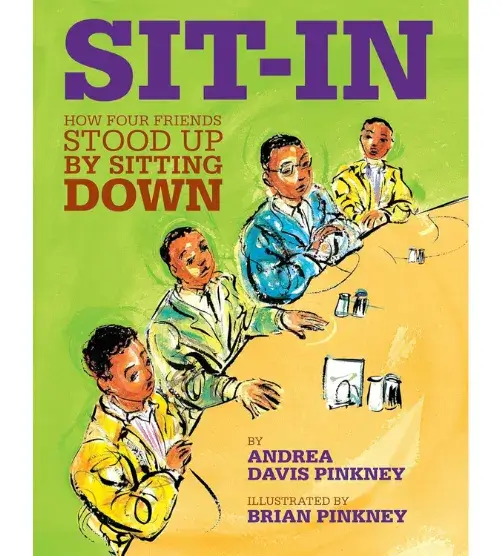
Andrea Davis Pinkney is a prolific author known for her powerful storytelling that highlights black history, culture, and resilience. From board books to chapter books, her work dazzles young readers with lyrical prose and rich narratives. She often collaborates with her husband, illustrator Brian Pinkney, creating stunning books like Sit-In and Martin Rising. With award-winning fiction and nonfiction, she brings history to life while celebrating black joy and excellence. Parents seeking inspiring black female authors will find her books must-reads.
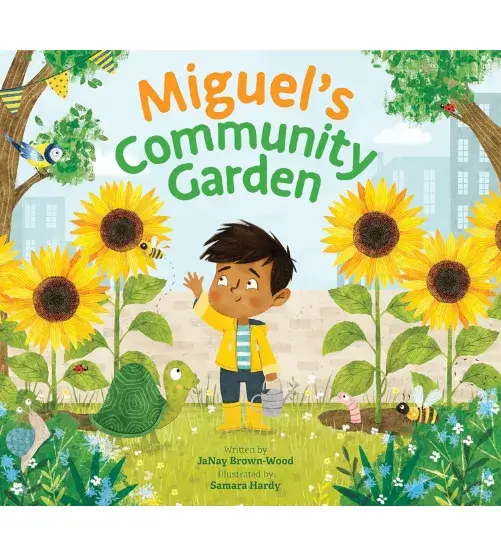
JaNay Brown-Wood is a children’s author, educator, and literacy advocate known for her joyful, engaging stories that showcase black families, nature, and community. Her popular Where in the Garden? series introduces young readers to fruits, vegetables, and problem-solving, through Amara’s Farm, Miguel’s Community Garden, Logan’s Greenhouse, and Linh’s Rooftop Garden. Her award-winning Imani’s Moon showcases themes of perseverance and dreams. With rhythmic language and warm storytelling, her books are perfect for parents seeking stories that reflect and uplift diverse childhood experiences.
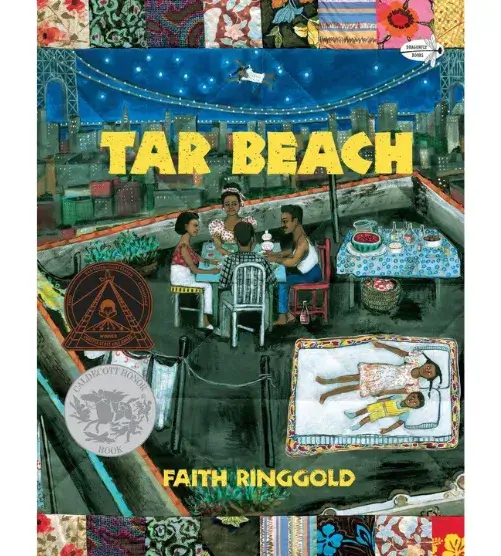
Faith Ringgold was an award-winning artist, author, and activist famous for her stunning story quilts and children’s books that elevate black history, identity, and resilience. Her iconic book Tar Beach won a Caldecott Honor and a Coretta Scott King Award, blending personal and historical themes with rich artwork. She also wrote We Came to America, a tribute to the diverse cultures that shape the United States. Her work continues to inspire young readers with its wonderful writing and artistry. You can also continue your learning and appreciation of Ringgold’s work by visiting exhibits of her quilt artwork in person or online.
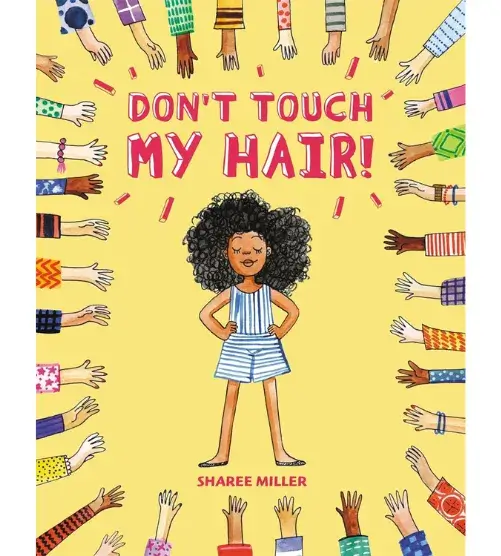
Sharee Miller is a children’s book author best known for her joyful stories celebrating black hair, self-love, and identity. Her popular picture books, including Don’t Touch My Hair! and Princess Hair, empower young readers with affirming messages and bright, playful illustrations that will draw kids into the story. In addition to being a writer, she also illustrated the book Michelle’s Garden, about Michelle Obama’s White House garden. Parents looking for confidence-boosting stories will love her books!
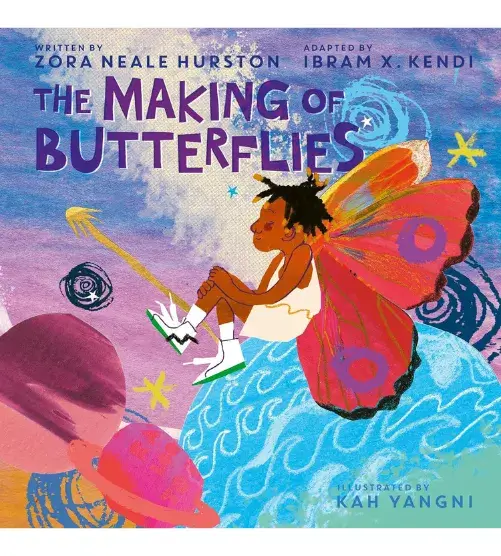
Zora Neale Hurston is an author most commonly known for her adult works, in particular the incredible Their Eyes Were Watching God. But Hurston also spent much of her life as a folklorist in Florida, collecting stories across the southern United States, Jamaica, Haiti, and the West Indies. In fact, she was granted a Guggenheim Fellowship twice to do this work! In the past five years, with a renewed interest in Hurston’s legacy, authors like Christopher Meyers and Ibram X. Kendi have been adapting and republishing these folktales into resplendent picture books. Be sure to check out The Making of Butterflies and (my personal favorite) Magnolia Flower.
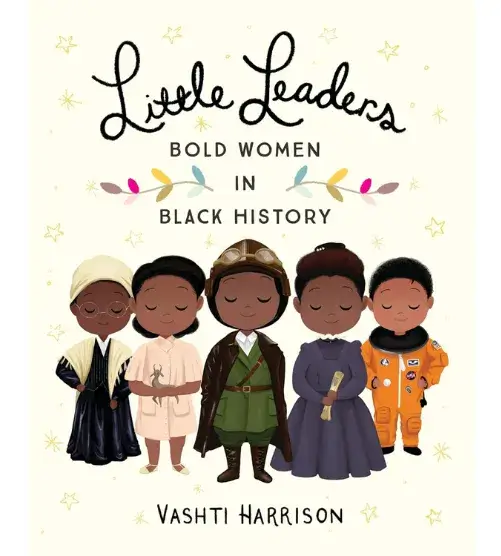
Vashti Harrison is deservedly acclaimed for her beautifully crafted children’s books. Her Little Leaders series, including Little Leaders: Bold Women in Black History, introduces young readers to inspiring figures with engaging prose and lovely, detailed illustrations. She has also illustrated books like Hair Love by Matthew A. Cherry and authored Big, a Coretta Scott King Honor book.
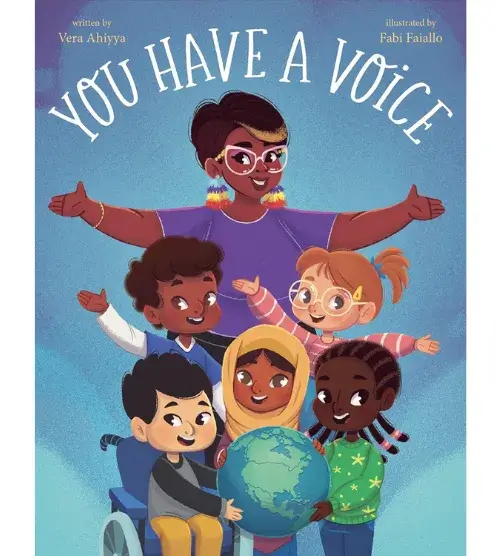
Vera Ahiyya is known as The Tutu Teacher. But in addition to being a teacher she is also a children’s book author and advocate for inclusive classrooms. Her picture books, including You Have a Voice and Rebellious Read Alouds, inspire young readers to embrace kindness and activism. She also writes books that help children transition into school, like KINDergarten and Getting Ready for Preschool!, which offer encouragement and reassurance for first-time students. Her Instagram page (@thetututeacher) is also a fantastic resource for books on any subject or theme.
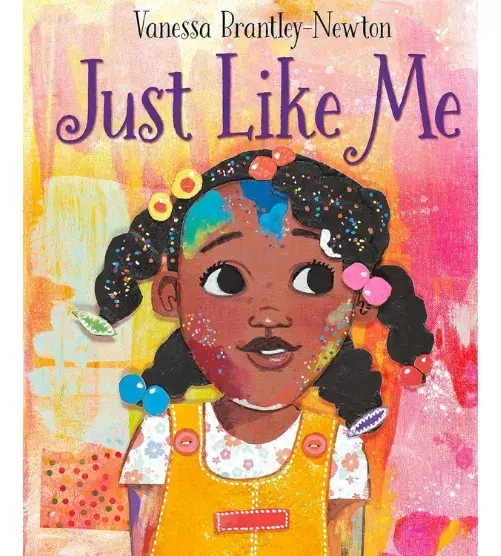
Vanessa Brantley-Newton’s stories, including Just Like Me, Grandma’s Purse, and Becoming Vanessa, celebrate self-esteem, confidence, and family bonds. Yet another multi-talented author/illustrator on our list, you can also find her art in award-winning books like The King of Kindergarten. With vibrant, expressive illustrations, her books spark giggles and excitement, making every page a delight for young readers. Her charming, affirming poems encourage children to embrace their uniqueness.
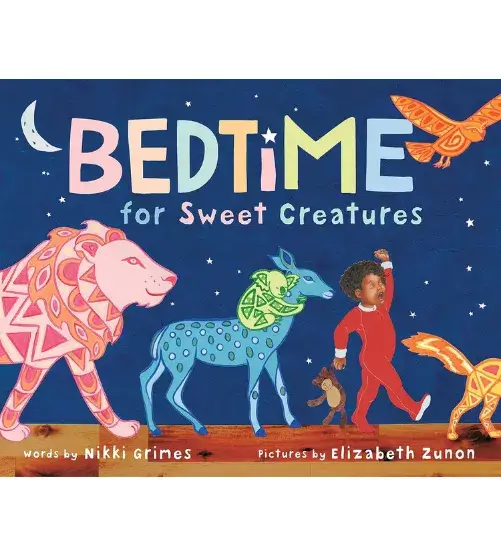
Award-winning author Nikki Grimes writes everything from picture books to novels in verse, including Bedtime for Sweet Creatures, Thanks a Million, and the Coretta Scott King Honor book Bronx Masquerade, a young adult book. Her work often highlights resilience, creativity, and the power of words. With rhythmic language and vivid imagery, her books draw young readers in and keep them glued to the page. Her stories offer a mix of warmth, honesty, and inspiration for children of all ages.
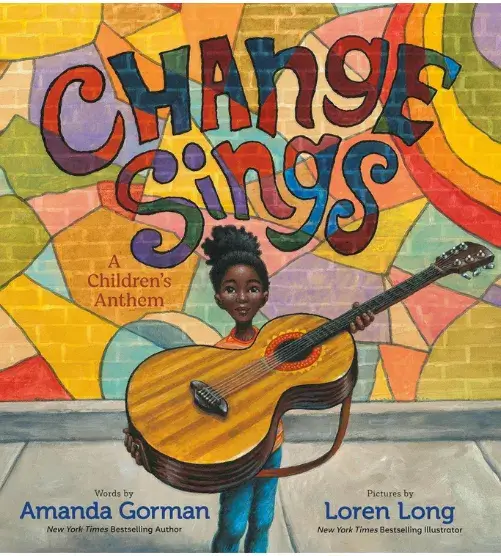
Amanda Gorman, the youngest inaugural poet in U.S. history, brings her powerful voice to children’s literature through beautifully crafted picture books. Change Sings: A Children’s Anthem and Something, Someday use lyrical language and strong messages to inspire young readers to make a difference in their communities. Her books encourage children to see themselves as changemakers, capable of kindness and action. With rhythmic storytelling and hopeful themes, her work introduces big ideas in a way that feels accessible and empowering for young minds.
The nation’s report card is in for 2024, and the results aren’t pretty. The National Assessment of Educational Progress (NAEP) shows that far too many U.S. students are struggling with reading—and that on average, student learning has not bounced back since Covid.
If you’re a parent, it’s worth understanding these scores and what they do—and don’t—tell you. Specifically: What do these numbers actually mean? How do they affect your child? And what can we all do about them?
Here are five things you need to know about the 2024 U.S. reading scores. At the end, I’ll share three action steps all parents should take now.
1. The NAEP Test Offers a National Snapshot of Reading Achievement
The NAEP scores are often called “The Nation’s Report Card.” The assessment is a federally administered test that measures reading and math skills among U.S. students every two years. It’s not a high-stakes test—individual student scores aren’t reported, and participation is voluntary. But it provides critical insights into overall student performance across the country.
The 2024 results are alarming:
- National reading scores remain below pre-pandemic levels across all tested grades.
- Fourth- and eighth-grade scores dropped by two points from 2022.
- Less than a third of students nationwide can read grade-level texts with understanding.
- One-third of eighth graders scored “below basic” on reading skills—the greatest percentage to date. This means they struggle to identify main ideas or sequence events in a passage—skills critical for high school success.
NAEP scores fall into four categories:
- Below Basic: Struggling to recognize words, comprehend simple texts.
- Basic: Can read simple texts but struggle with deeper comprehension.
- Proficient: Can read and understand grade-level materials.
- Advanced: Highly skilled readers with strong comprehension and analysis.
The fact that so many students fall into the “below basic” category is a national crisis.
2. If Your Child Is Selected to Take NAEP, It Matters
The testers randomly assign students to take the NAEP test. The goal is to test a small, nationally representative group of students. Participation is voluntary, but the accuracy of the results depends on enough students participating.
No one will see your child’s individual test results or questionnaire responses—not you, your child, or their teacher. But they still matter, a lot. The results provide insight into how students in your district and state compare nationally. They also inform educational policy and resource allocation at the state and national levels.
But, keep in mind: NAEP scores don’t just reflect what happens at your child’s school and other local schools. Many external factors also play a role. Things like parents’ education levels, reading and literacy practices at home, outside tutoring, and the experiences kids have that build their vocabularies all affect reading performance, not just classroom instruction.
3. NAEP Is the Only Apples-to-Apples Comparison Across States
Each state sets its own standards for what qualifies as “proficient” on state reading tests, which means results vary widely. NAEP provides the only national benchmark.
For example:
- In Wisconsin, recent state tests showed 51% of fourth graders were proficient in reading.
- But NAEP told a different story. Only about 30% were deemed proficient by that nationally standardized measure.
This discrepancy happens because there are significant variations in the content of state assessments. States can set the bar as low or high as they want. As a parent, it’s important to look at all the data that’s available to you to really understand where your state, and more importantly, your child stand.
Want to see NAEP results for your state? Visit nces.ed.gov/nationsreportcard/ to see results, sample test questions, and more.
4. Covid Learning Loss Lingers—But Gaps Were Widening Before
The 2024 NAEP results confirm what many educators feared: Learning hasn’t recovered from school and home disruptions during the pandemic.
The biggest declines were among the lowest-performing students—those who were already struggling before Covid-19 hit.
At the same time, many higher-performing students have shown improvement relative to students tested in past years. The top 25% of eighth graders tested in 2024 actually scored higher than the top 25% of eighth graders tested previously.
The result? The reading gap is growing. In 2024, the difference in reading between the lowest- and highest-performing students widened to 100 points on NAEP’s 500-point scale. This reading skill gap has been increasing for over a decade.
This is sometimes called the Matthew Effect: The (literacy) rich get richer, and the (literacy) poor get poorer.
5. Demographics Aren’t Destiny—But Support Matters
NAEP scores show disparities by race and income level—but they don’t prove that certain students are doomed to struggle.
Instead, they highlight opportunities for action. These gaps signal a lack of early literacy support and systemic interventions long before children start school.
Kids from lower-income backgrounds often have fewer books at home, less exposure to rich vocabulary in their daily lives, and less access to high-quality early education. All of this contributes to the gap, but they aren’t inevitable. And all of it can be changed for individual children, and—with collective action—for all children.
Too many kids are struggling to read—and the gap is widening.
But reading outcomes aren’t set in stone. With family literacy practices, early intervention, high-quality instruction, and strong literacy advocacy, we can change the story.
Your voice matters. Let’s push for the resources and policies all our children need to thrive.
What Should Parents Do?
- Look at your state’s NAEP results and compare them to state test scores.
- Advocate for better reading instruction. Demand robust teacher training in structured phonics instruction and vocabulary building as well as intensive, high-quality tutoring for struggling readers in your district if they aren’t available already.
- Support literacy at home—early and often. Daily reading, talking, and writing activities make a big difference. See my book Reading for Our Lives for practical tips.
Remember those rhymes you used to chant as a kid? How about clapping and dancing to the beat of childish tunes? Perhaps you made up your own songs, not caring how silly they sounded. If you can see yourself doing that through the lens of your (much) younger self, you can easily teach phonemic awareness to your child.
But first, what is phonemic awareness? Most simply, it means hearing sounds—down to the individual sounds that make up words. Going one step farther, it is the ability to discern and manipulate the sounds within words.
The name sounds like a complex learning concept that requires some type of certification to teach. And, indeed, many children with dyslexia and other challenges may need specialists to help them master it. But it’s also something that you can—and should—begin nurturing at home in order to develop a solid reading foundation for your child. You can easily kick-start your child’s phonemic awareness with the types of activities you enjoyed when you were small.
Why Phonemic Awareness Matters
Before matching letters to sounds (phonics!), your child needs to grasp the idea that words are made up of sounds. That’s where phonemic awareness comes in. By teaching your child how to identify sounds and sound patterns within words, you’re setting the stage for the main event, which is phonics instruction.
As a mature reader, you may no longer pay much attention to individual sounds within words, because you’re so used to hearing and using them. Not so for small children. They’re absorbing these patterns by listening to people talk—and talking themselves—every day.
To accelerate this learning, you can use body movements, voice, and a few props to help your child become more aware of sound patterns and how frequently the same ones show up again and again in our spoken (and, as they’ll eventually see, written) language.
Once your child develops the ability to tell one sound from another, learning to read becomes much easier. Phonetically “decoding,” or sounding out, written words is a logical next step when your child can already break words down into sounds.
5 Easy, Fun Phonemic Awareness Activities
Convinced that phonemic awareness is central to learning to read? The following 5 phonemic awareness activities will get you started. Once you realize how easy it is to play with sounds, you’ll have no trouble coming up with new games on your own. And be sure to revisit those ditties you recited as a child! They’re full of rhymes, repetition, and recognizable sound patterns—fun for your child and fun for you.
Start by choosing a “sound of the day” and write the letter(s) that represent it somewhere handy to reference throughout the day. Introduce the sound to your child and give some example words that start with it. Point out an object whose name starts with the sound.
- Ask your child to find items in the room whose names begin with the sound of the day. As you go through your day together, point out objects that begin with the sound, and ask your child to do the same. For example, if your sound is /b/, you could point out their bed during nap time, a banana at snack, and a button when they’re getting dressed.
- Invite your child to think of things that start with the sound, then draw pictures of them together. (You can have your child think of the object, then you draw it for them or let them help draw it if they’re ready.) This expands their thinking beyond what they can see in the immediate environment, helping them apply the sound to other situations. You can also head outside and use chalk to draw pictures of items that start with the target sound on the sidewalk, driveway, or playground blacktop.
- Create a scavenger hunt. Hide some objects that begin with the sound you’re working on. Create clues for your child, using the sound as many times as you can. Repeat the sound at the end of each clue. For example: “The blue ball is hiding where Baby Bobby sleeps. B-b-b-b.”
- Make up silly songs using the sound. Create a tune and sing with your child, emphasizing the letter sound. For example, “Baby Bobby has a blanket. Baby Bobby has a ball. Baby Bobby blows bubbles!”
- Invent goofy sentences or short stories that use as many words starting with the sound as possible. Invite your child to act out the words or make up a dance to go along with the story. Here are some phrases to get you started: Buzzing Bumble Bee, Silly Sister Sally, Running Round Rose, Goofy Galloping Gary, Merry-Making Melanie, Lazy Little Lizard, Darling Dancing Dog.
By using these simple, fun activities to help your child identify sounds and sound patterns in words, you’re setting your little reader up for a future filled with good books, confidence in school, and a mastery of the English language. You’re also demonstrating from an early age that your child can count on you to help them learn new things as they grow!
In a world where reading matters a whole lot, yet distractions abound as never before, it’s easy to worry about our kids’ reading. Are they reading at grade level? Are they spending enough time reading? Are they reading challenging enough material?
It’s crucial to support kids to become thriving readers in the first place and then to keep reading as they get older. After all, reading helps kids of any age build vocabulary, comprehension, knowledge, empathy, and self-expression—all of which is just as important after they become fluent independent readers.
But as we encourage our kids to read, It’s easy to wonder: What actually counts as worthwhile reading?
Maybe your child devours graphic novels but avoids chapter books. Maybe they listen to audiobooks nonstop but resist sitting down to read. Or maybe your elementary schooler “reads” signs with enthusiasm but seems uninterested in tackling actual books. Even if your child reads a ton on a Kindle or phone, you may wonder if it’s quite the same as cracking open a real book.
So, do these activities count as reading? The short answer is yes—at least up to a point. Each helps your child develop vocabulary, understanding, or phonics skills. The broadest possible experience with stories, language, and printed text is ideal for developing a well-rounded reader (and person), so you don’t want them to get stuck, but all these activities can help your child grow.
Now, let’s dig into the longer answer about how children become strong, motivated readers.
What Reading Really Is (and What It Isn’t)
We often think of reading as a narrow activity: sitting still, silently “decoding” words on a page—what we commonly call “sounding out.” But reading is really about making meaning from language. That includes understanding words, following ideas, building mental pictures, and connecting what’s read to the world.
Decoding printed words matters a lot, of course—but it’s only one piece of literacy. Comprehension, vocabulary, background knowledge, and motivation all matter enormously, too. And those grow in many different ways, across many different formats. Similarly, decoding skills can develop in many ways, and sometimes bite-sized bits of text can support phonics learning even better than a book.
When we limit “real reading” to one narrow version of it, we risk discouraging the very habits that help kids grow into skilled lifelong readers.
Comics and Graphic Novels Count (Yes, Really)
Graphic novels are sometimes dismissed as “easy,” but they ask readers to do sophisticated work. Kids must track plot, infer meaning from facial expressions and visual cues, and integrate text with images to understand the story.
That’s real reading. And for many kids, comics are what make reading feel fun, doable, and worth returning to. They build stamina, confidence, and a sense of identity as a reader—things that matter far more than the format.
If you’re concerned about your child continuing to grow and build their reading level over time (a valid concern), ask a teacher or librarian about graphic novels that can challenge them and introduce them to more advanced vocabulary or concepts. Also collect suggestions for “regular” chapter books with similar action or style to their favorite comics. Support and encourage their love of reading graphic novels, then gently stretch them.
Audiobooks Are Reading—Up to a Point
Audiobooks are often a format parents feel especially unsure about, and with good reason: If kids aren’t looking at words, is it still reading? Listening to an audio story obviously doesn’t build decoding skills or spelling knowledge—unless the child is reading along in a physical book, which can be a great option for picture books.
However, listening to stories can build vocabulary, comprehension, narrative understanding, content knowledge, attention, and love of stories. These are all tremendously valuable throughout the school years and beyond. In fact, for many children, audiobooks allow them to access stories that are more complex and interesting than what they can decode independently.
Audiobooks can be especially powerful for reluctant readers, kids who fatigue easily, or children whose listening comprehension outpaces their decoding skills. Don’t see them as a shortcut, but rather a bridge. For older kids, they can be a way to tackle challenging material, slower-paced works, or less-gripping nonfiction while working out, taking a walk, or engaging in an art project.
Similarly, oral storytelling reinforces the same skills and offers powerful opportunities for bonding and passing on cultural or familial stories, so don’t hesitate to share tales around a campfire or snuggled up at bedtime. This, too, builds your little reader’s brain and enriches their future.
E-Books Are Fantastic (But Don’t Make Them the Whole Story)
It’s more clear to most of us that e-books count as reading—even if we may yearn to see our kids curled up with a physical book rather than lit by the glow of a screen.
After all, when children read digital text on an e-reader, tablet, or phone, they’re still decoding words, building vocabulary, following narratives, and making meaning. For some kids, e-books offer real advantages: adjustable font sizes, built-in dictionaries, and easy access to a wide range of titles and abundant reading material on demand. Public libraries and lots of other services offer loads of popular titles to check out instantly as e-books, anytime, anywhere.
That said, there is something special about paper books. Physical books offer built-in boundaries that support focus. There are no messages or notifications that pop up, fewer taps that lead somewhere else, and clearer visual cues about where you are in a story.
Turning pages, feeling the weight of a book, and seeing progress unfold may help children better understand story structure and stay immersed. Research also suggests that reading on paper can support deeper comprehension and better recollection later on—at least for complicated informational texts and nonfiction. For novels and light reading, the effect may be negligible.
The takeaway isn’t either/or. E-books can be a wonderful part of a child’s reading life—absolutely no guilt required. Just make some room for physical books too.
Picture Books Aren’t Just for Little Kids
Picture books often get shelved as “baby books,” but they frequently contain rich language, layered meaning, and big ideas. Books like Owl Moon, Going Down Home with Daddy, and the uber-popular Polar Express contain lyrical language that even grownups find moving, while lots of nonfiction picture books give detailed information on various subjects. (I learned a ton reading my kids Redwoods!) True-life tales like The Oldest Student: How Mary Walker Learned to Read and The Bravest Dog Ever: The True Story of Balto also teach kids a lot about history and the world.
Picture books can also offer an engaging, lower-stress way for kids to practice independent reading. Even if your child understands advanced chapter books when you or a teacher reads out loud, they may feel more comfortable tackling picture books as they start reading on their own—and that absolutely counts as reading.
Recipes, Instructions, and Everyday Reading Matter
When your child reads a recipe, the rules to a game, street signs, or the back of a cereal box, they’re practicing functional literacy—reading with a purpose. They’re learning sequencing, specialized vocabulary, and how written language operates in the real world. They’re figuring out how to sound out (or “decode”) words and absorbing valuable information about spelling.
Environmental print like menus, signs, labels, and maps also helps kids see that reading is useful, relevant, and necessary. That sense of purpose fuels motivation far more effectively than drills ever could.
The Big Picture
So what doesn’t count as reading?
This is usually the wrong question. Not all content is equally rich, and balance does matter—but policing formats tends to backfire. When kids feel judged or corrected for how or what they read, reading becomes a performance instead of a pleasure.
Keep an eye on your child’s reading, for sure, but instead of wondering if their reading counts, ask yourself: Is my child engaged? Are they making meaning from text? Are they growing in confidence? If the answer is yes, reading is happening.
Yes, variety matters—and so does choosing the format that best supports your child’s focus, enjoyment, and connection to reading. Celebrate all the reading your child engages in, and then watch for chances to gently encourage them to take on new challenges or formats, too.
The questions then become: What challenge does my child need next to grow? Or what will keep them reading at this new age or stage?
Strong readers aren’t created by restricting what counts. They’re created by wide exposure, curiosity, and positive experiences with language.
When children are allowed to read and enjoy stories broadly—listening, skimming, rereading, laughing, wondering—they build the skills and motivation that carry them forward.